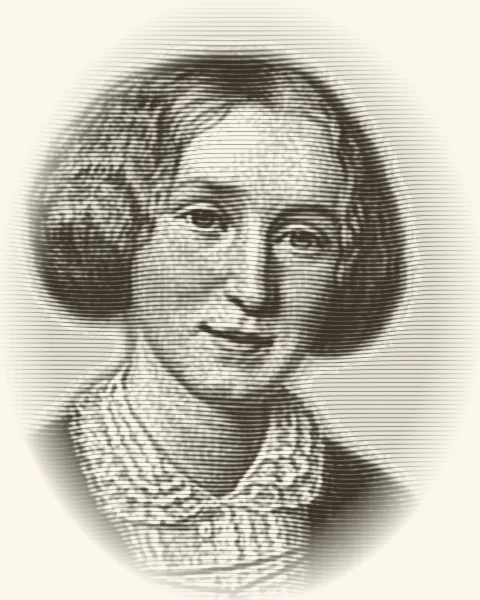
 George Eliot1819–1880
- Middlemarch (1871–1872), Book II: Old and Young, Chapter XXIn context
- Middlemarch (1871–1872), Book IV: Three Love Problems, Chapter XLIIIn context
- Middlemarch (1871–1872), Book VI: The Widow and the Wife, Chapter LVIn context
- Middlemarch (1871–1872), Book VIII: Sunset and Sunrise, Chapter LXXIIIn context
- Middlemarch (1871–1872), FinaleIn context
- Middlemarch (1871–1872), FinaleIn context
- Middlemarch (1871–1872), Book I: Miss Brooke, Chapter IIn context
In all failures, the beginning is certainly the half of the whole.
Middlemarch (1871–1872), Book III: Waiting for Death, Chapter XXXIIn context- Silas Marner (1861), Part I, Chapter IIIn context
The yoke a man creates for himself by wrong-doing will breed hate in the kindliest nature
Silas Marner (1861), Part I, Chapter IIIIn context- Silas Marner (1861), Part I, Chapter XIIIn context
- Silas Marner (1861), Part I, Chapter XIVIn context
- The Mill on the Floss (1860), Book First: Boy and Girl, Chapter VIn context
We could never have loved the earth so well if we had had no childhood in it
The Mill on the Floss (1860), Book First: Boy and Girl, Chapter VIn contextWar, like other dramatic spectacles, might possibly cease for want of a “public.”
The Mill on the Floss (1860), Book Second: School-Time, Chapter IVIn context